The subject
Who or what should attract the eye? Indicate useful traits, outfit and understandable action.
Concrete examples, simple methods and 30 guides to go from “I have an idea” to real visual direction.
A helpful prompt establishes hierarchy. The subject and its action come first; the decor, framing and lighting then explain how to view the scene. The details finish the job, without contradicting the main idea.
Who or what should attract the eye? Indicate useful traits, outfit and understandable action.
Where does the scene take place? Specify the plan, the place of the subject and the relationship between the person and the setting.
Photography, 3D animation, drawing or collage: choose a main direction and describe the light.
Add some useful exclusions and format. Avoid asking for contradictory effects simultaneously.
“A beautiful realistic woman in Paris, incredible, perfect, in high quality. »
“Editorial portrait of an adult woman in a linen jacket, in a Parisian square at dawn. American plan, soft side light, visible architecture, natural skin, without text. »
Precision is not a guarantee of results. A prompt is used to guide a model: test, compare and correct one point at a time.
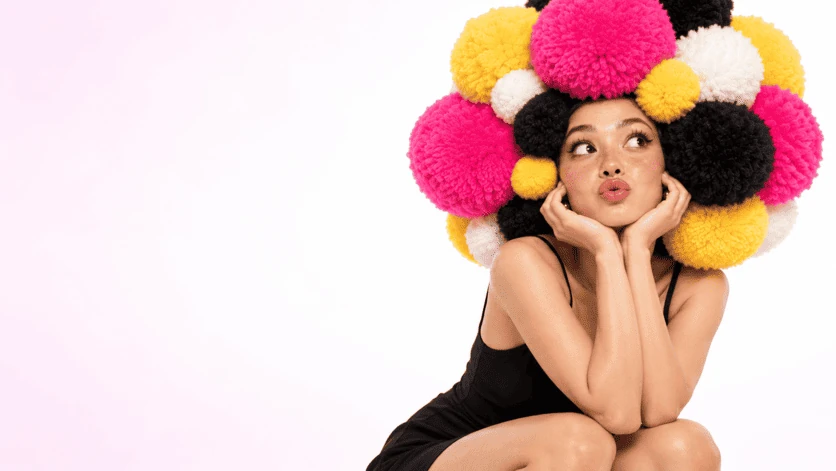
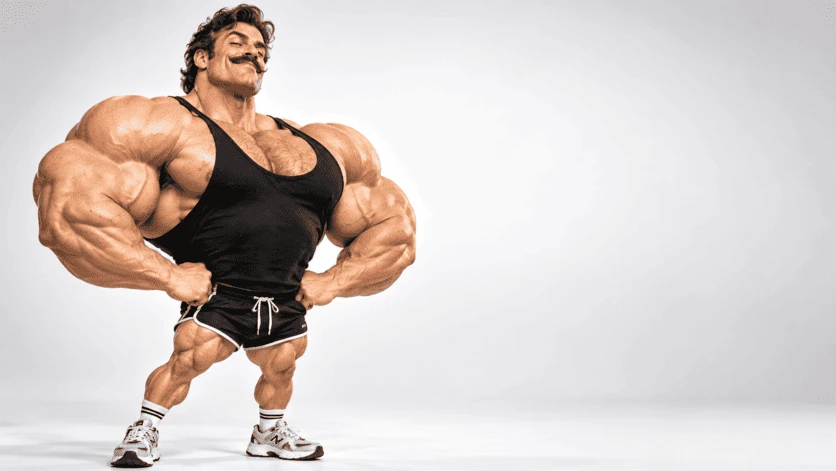
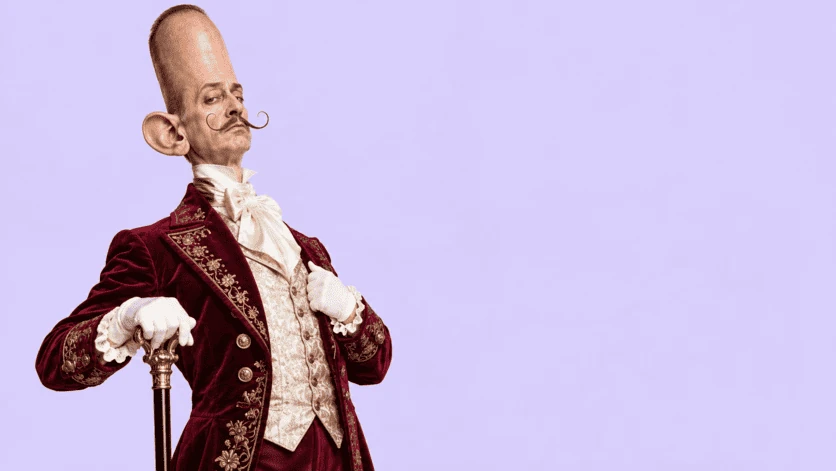
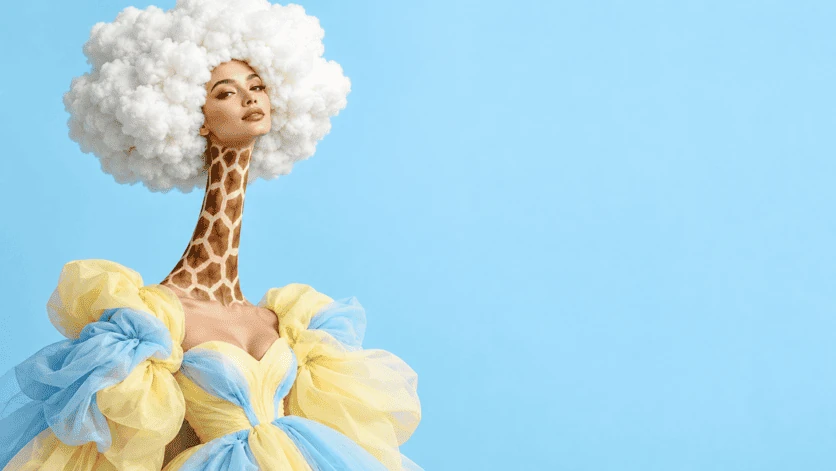
These educational prompts are written to explain a method. The images illustrate an artistic direction; they are not presented as the exact results of these texts.
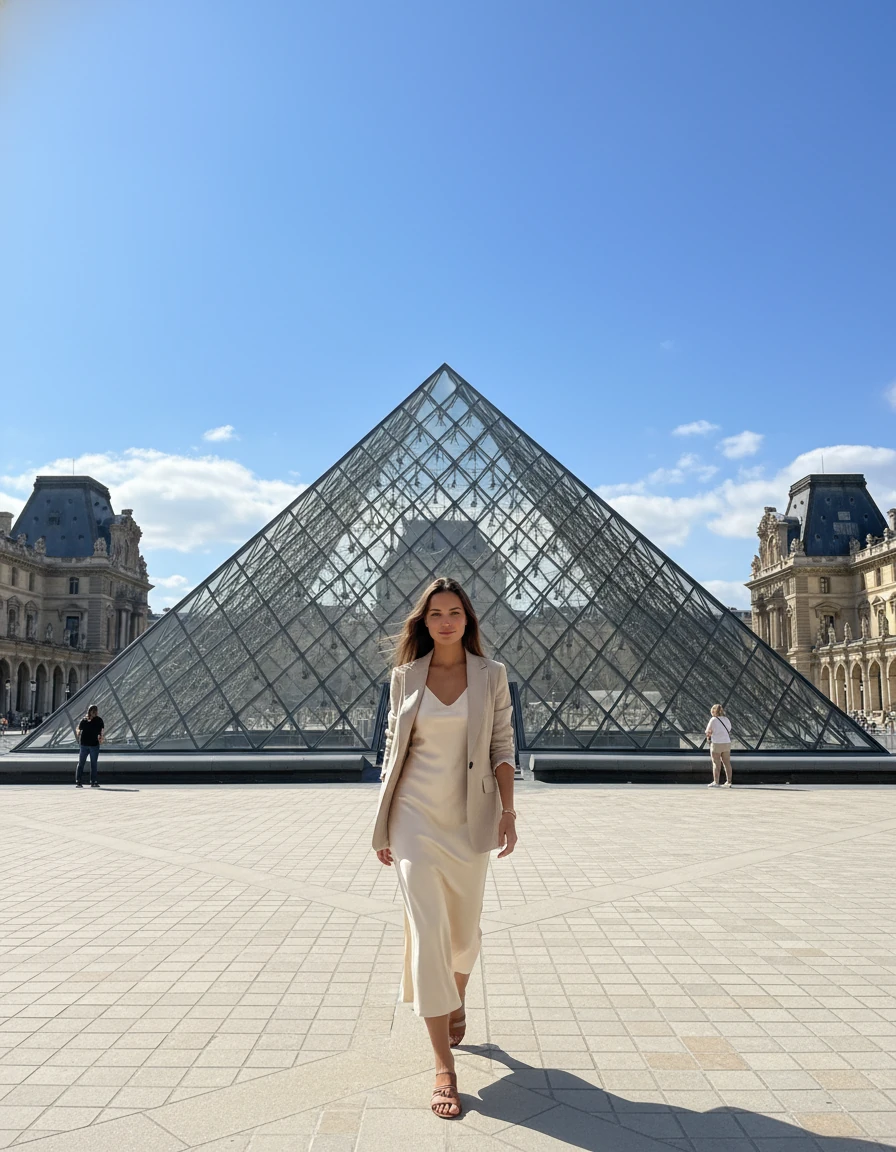
Start with a photographable situation. Describe the subject, what it is doing, the light and the location of the setting. A precise material brings more than an accumulation of words like “perfect” or “ultra realistic”.
Editorial photograph of an adult woman in a beige linen jacket, standing in a Parisian square in the early morning. American shot, subject slightly off-center, architecture in the background. Soft natural light coming from the left, visible linen texture, natural skin and consistent shadows. Cream and stone palette, moderate depth of field. Without text or logo.
Why this structure? The framing, material and direction of light describe a coherent scene.
Read the full guide ↗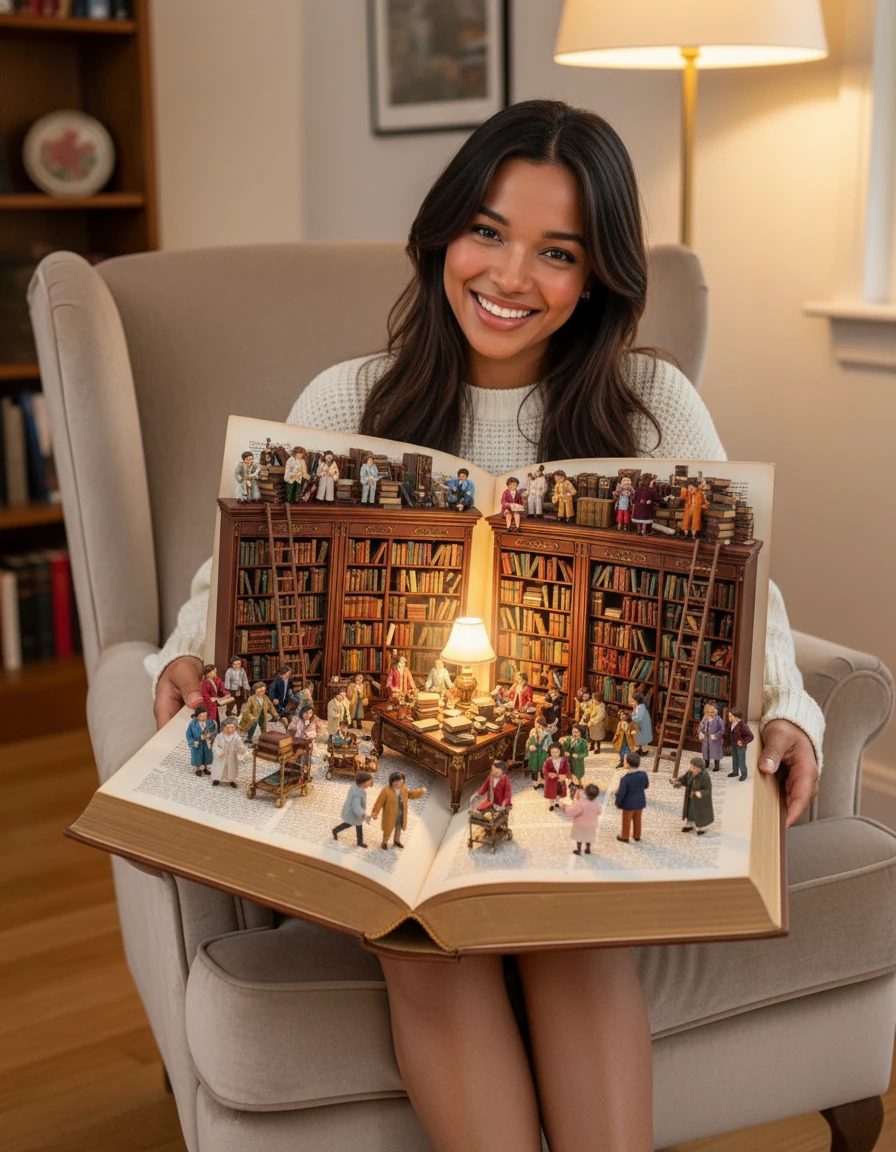
Specify the visual language: 3D animated film, 2D illustration or modeling clay volume. Give the character a simple action and a scale rule for the setting so that the image says something.
Scene from a 3D animated film: a miniature adult librarian, wearing round glasses and a blue coat, pushes a wooden ladder between giant books. The books are ten times its size. Rounded volumes, tactile materials, readable expressions, warm lighting from a desk lamp. Landscape composition, character in the foreground, a single main action. Without text or branding.
Why this structure? The style, the action and the scale relationship give a readable direction to the small world.
Read the full guide ↗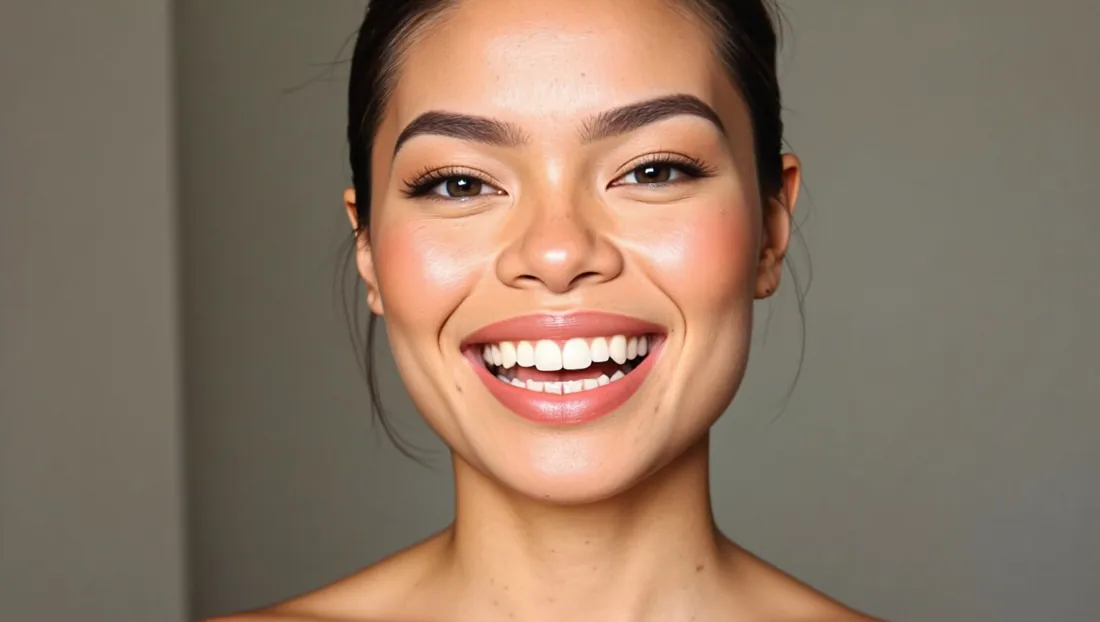
Separate what must remain recognizable from what can change. A clear reference helps the model read the face, but does not guarantee identical identity. Use a photo that you are authorized to use.
From the authorized reference photo, create a photographic portrait of the same adult person. Maintain his distinctive features and hairstyle as much as possible. Relaxed expression, gaze towards the lens, head and shoulders framing, plain pearl gray background. Diffuse lighting, natural skin texture, no beauty filter applied. Do not add glasses or text.
Why this structure? The reference serves as a benchmark, while the expression and the framework remain explicitly defined.
Read the full guide ↗
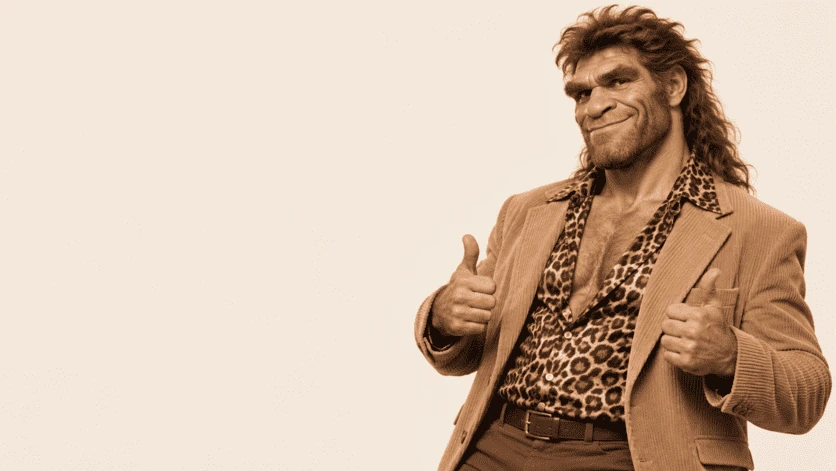
Choose a main exaggeration and personality. Too many competing anomalies blur the silhouette. Keep photographic materials and a clear attitude to make the absurd immediately visible.
Why this structure? A strong anomaly, a recognizable costume and an action are enough to establish the character.
Read the full guide ↗JSON is a way of organizing your brief into fields. It does not automatically make an image better: its interest is in separating decisions, reusing a structure and identifying contradictions.
Keys and strings enclosed in double quotes, commas between elements, no trailing commas, no comments.
Compatible light, framing and action. Keep lists short and describe the details that matter.
This brief is an educational model. The fields in an API depend on the service; they are not universal.
{
  "subject": "An adult wearing a linen jacket",
  "action": "Walking through a Mediterranean alley",
  "style": "Realistic editorial photography",
  "setting": "Pale facades, blue shutters and cobblestones",
  "lighting": "Soft natural morning light",
  "composition": {
    "framing": "Three-quarter shot",
    "placement": "Subject on the right third",
    "format": "16:9"
  },
  "palette": [
    "cream",
    "blue",
    "terracotta"
  ],
  "avoid": [
    "text",
    "logo",
    "excessive beauty filters"
  ]
}
✓ Valid JSON · ready to adapt to your tool
Start with a single intention, then change one field at a time. If the subject gets lost, simplify the setting or bring the framing closer. If the style lacks consistency, remove contradictory adjectives. For a series, keep the style, light and palette fields, then vary the pose or action.
When a tool expects a text description, rephrase the fields into sentences. When it accepts a structure, use only the keys documented by this tool. A “avoid” field in a brief does not mean that the template has a negative prompt setting.
Choose a question or a universe. Each article details an approach, proposes a practical application and gives criteria for evaluating your creations.

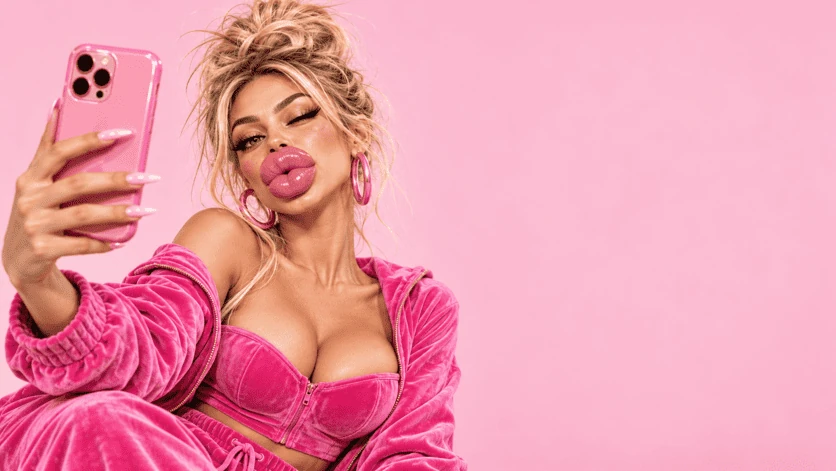



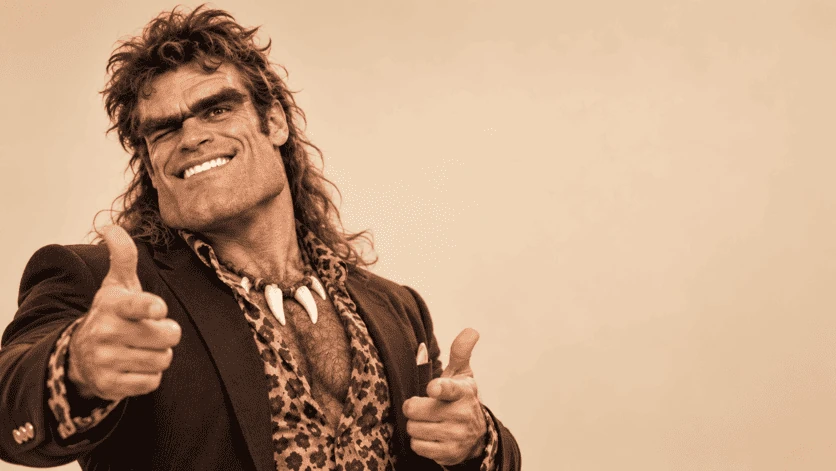
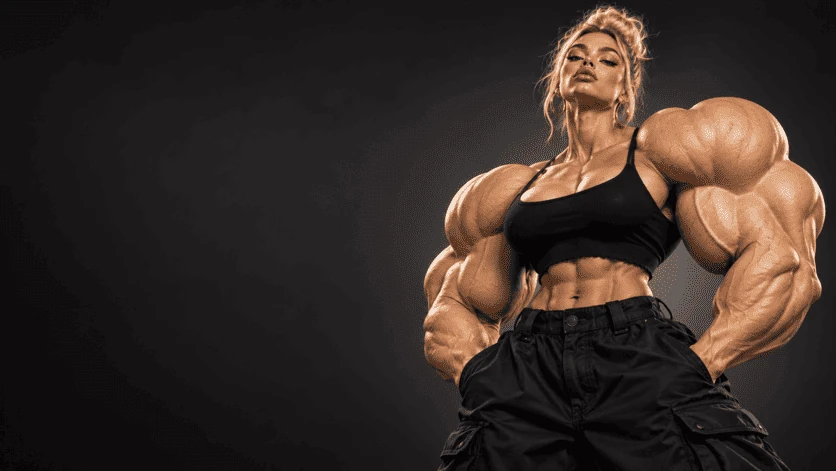
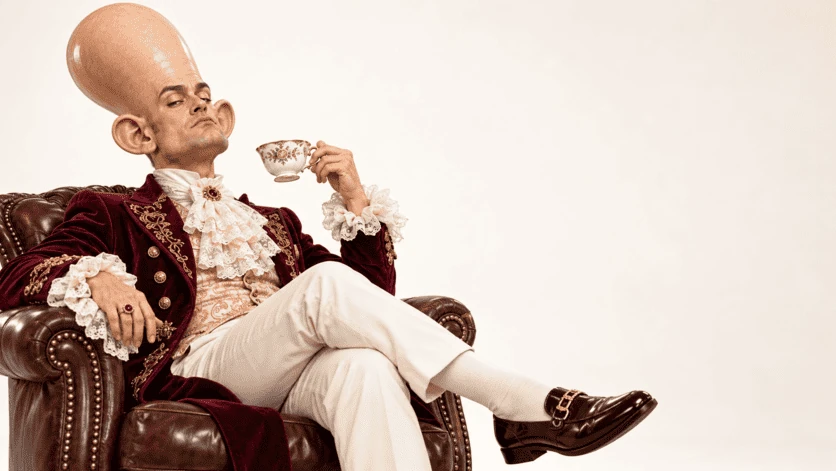

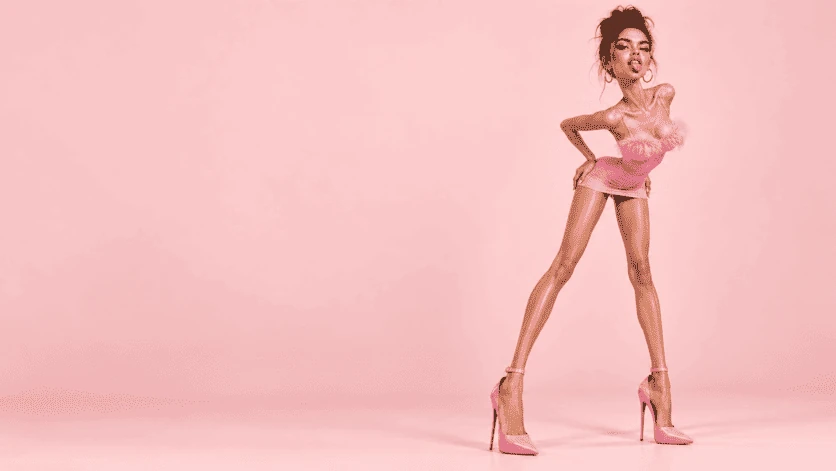
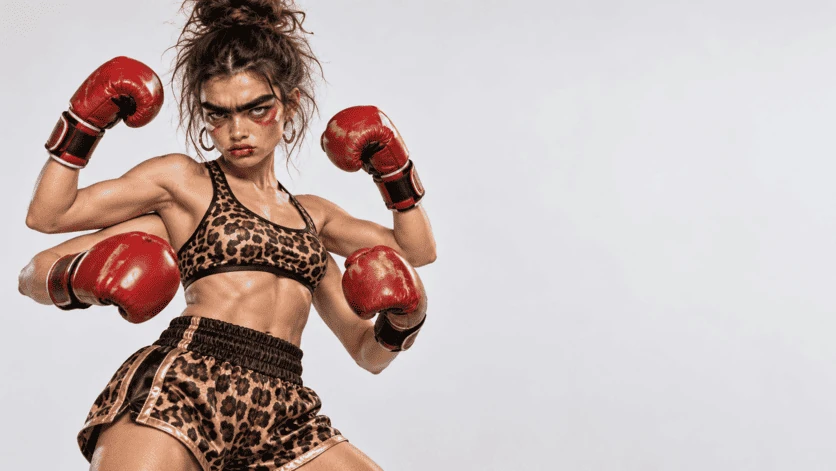
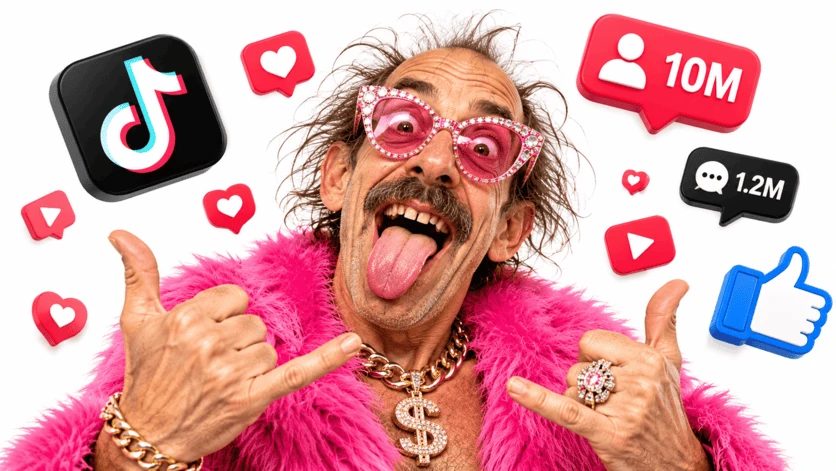
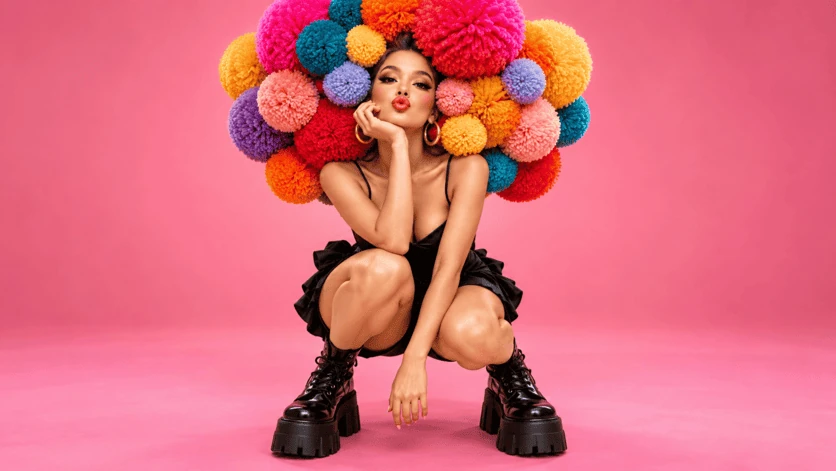
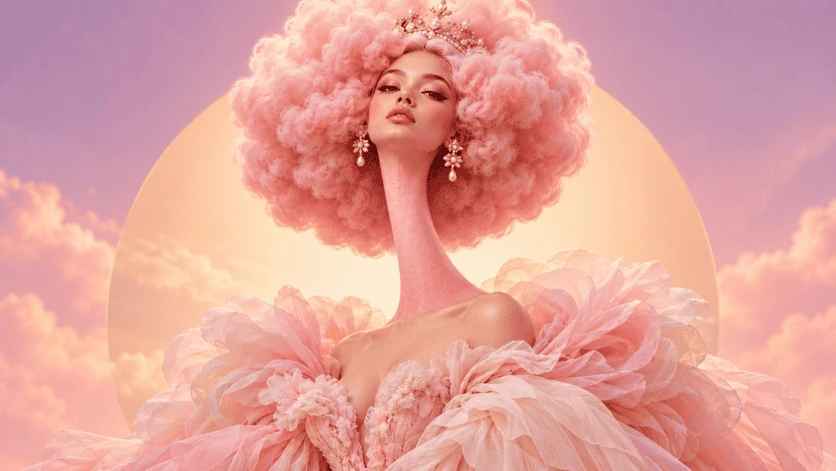
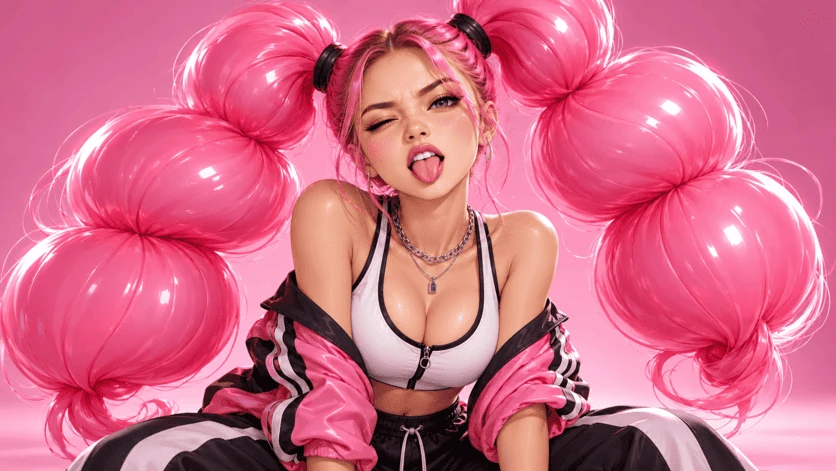
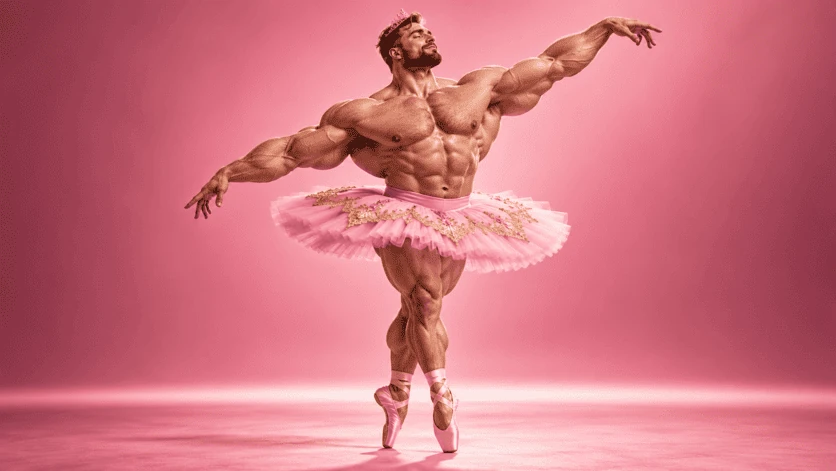

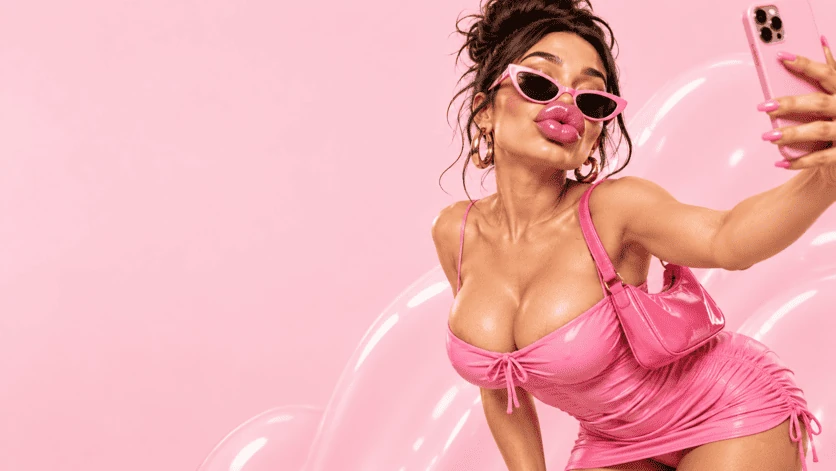

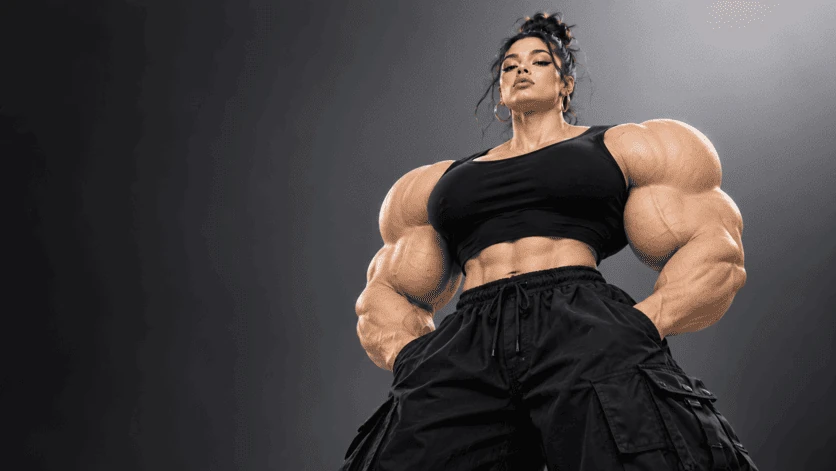
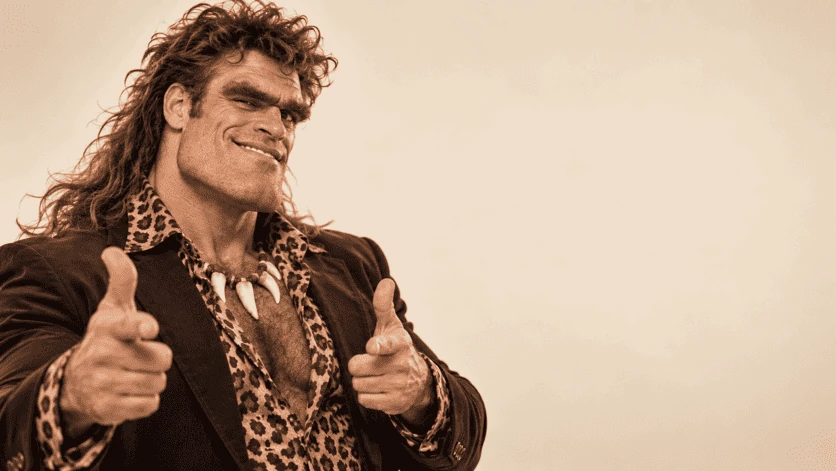


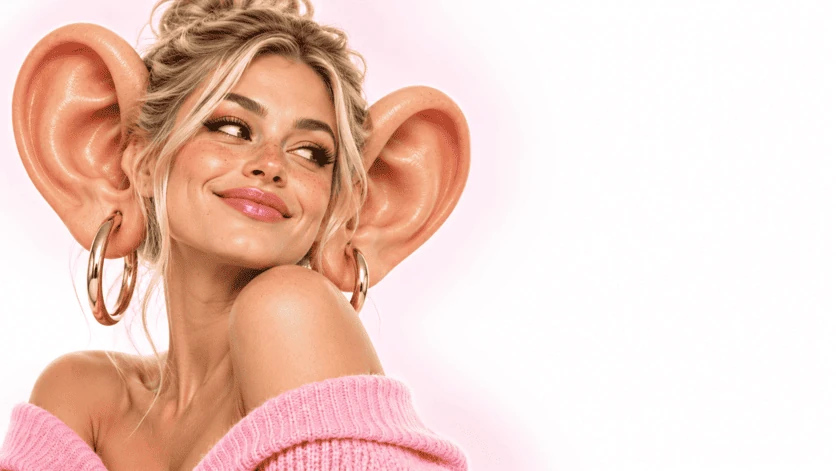
An attractive thumbnail image can reveal inconsistencies at large. Compare the result to your brief before publishing it.
Not necessarily. A short, coherent text can guide the model more clearly than a list of competing instructions. Add a detail when it actually changes the desired result.
JSON organizes information, but does not guarantee quality or fidelity. The accepted format depends on the tool. Keep a readable version of the brief and adapt it to the model used.
Use an authorized and readable reference with a compatible model. Describe the traits to keep, then compare the results. Resemblance may vary and should be verified.
No. They are public educational examples. The internal scenarios and texts used for the packs are not included in the offer; commands deliver images.